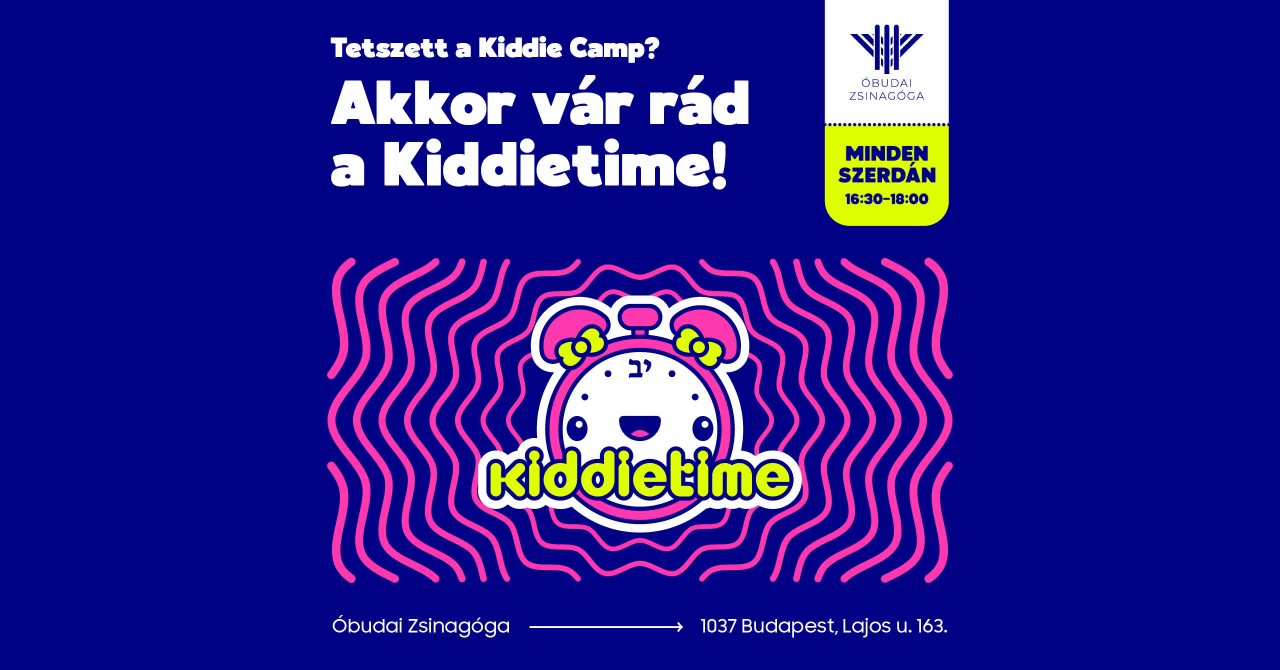
KiddieTime semanal en la Sinagoga de Óbuda reúne música, teatro de Torá y Krav Maga para peques de 3 a 10 años y sus familias en Budapest. Actividad gratuita todos los miércoles de 16:30 a 18:00. ¡Apúntate ya!
cuándo: 2025.12.03., Wednesday
dónde: 1036 Budapest, Lajos utca 163.
La sinagoga de Óbuda, en Budapest, estrena KiddieTime, un planazo semanal los miércoles que mezcla música, aprendizaje, juego dramático y Krav Magá para que peques descubran las tradiciones judías a su manera. Pensado para niños de 3 a 10 años y sus familias, se celebra de 16:30 a 18:00 y transforma los espacios comunitarios en un aula viva donde la alegría manda.
Sing, Learn, Move Together
Cada sesión se divide en tres momentos que abren ventanitas a la cultura, la herencia y los valores. Primero, un bloque musical en familia con canciones en hebreo, plegarias y melodías festivas, ideal para que madres, padres y peques aprendan y canten juntos.
Stories Come Alive
Luego llega la magia: los niños se meten de lleno en la parashá semanal a través de educación dramática. Con una educadora de teatro, improvisan, juegan y crean, trayendo los relatos antiguos al presente con imaginación y recursos lúdicos.
Confidence Through Krav Maga
El broche final es movimiento puro: una clase de Krav Magá con un coach formado en Israel. Más allá de lo físico, se trabaja la autoconfianza, la disciplina y el sentido de comunidad.
Dates, Team, Registration
Dirección: Zsuzsa Szilánk (responsable de educación de EMIH). Programación: Miri Radó. Contenido judío: Petra Nagy. Gratuito, con inscripción previa. Fechas: 03/12/2025, 10/12/2025 y 17/12/2025, en Budapest. La organización puede modificar fechas y programa. Ubicación: 1036 Budapest, Lajos utca 163.
2025, adrienne
Pros
+
Strong family-friendliness: designed specifically for ages 3–10 with parents participating, mixing music, stories, and movement that suit multiple attention spans
+
Free entry with registration lowers cost risk for U.S. families traveling on a budget
+
Cultural depth: hands-on exposure to Jewish traditions, Hebrew songs, and Torah stories offers a unique educational experience beyond typical tourist attractions
+
Safety and confidence angle: kids’ Krav Maga component is structured and age-appropriate, adding a memorable, active element
+
No prior Hebrew or Hungarian seemingly required for enjoyment; music and role-play are accessible, and staff linked to Jewish education often have some English
+
Location in Budapest’s Óbuda district is reachable by public transport (tram 1/17, HÉV to Aquincum area, buses on Lajos utca) and by car with typical city parking options
+
Timing (Wednesdays 16:30–18:00) leaves evening free for dinner and sightseeing, fitting a city itinerary
+
Venue (Óbuda Synagogue/community space) offers a safe indoor environment ideal for winter dates in December
+
International interest in Jewish heritage is high, and Budapest is well-known among U.S. travelers, making the theme and setting relatable
+
Compared with children’s cultural programs elsewhere, this blends music, drama education, and martial-arts movement in one session, which is relatively distinctive
Cons
–
The specific “KiddieTime” series is not internationally famous, so it may feel more like a local community program than a marquee attraction
–
Limited dates (three Wednesdays in December 2025) mean tight scheduling; if you’re in town other days, you’ll miss it
–
Some Hebrew elements and locally-led instruction may include limited English explanations; families without any Jewish background might need more context
–
Óbuda is not the main tourist core (District V), so transit adds time (20–40 minutes from central Pest) and car traffic/parking can be tricky at rush hour
–
Krav Maga, while child-friendly, may not suit every child’s interests or abilities; mixed-activity format could feel fragmented if your child prefers one focus
–
Compared with bigger children’s museums or commercial edutainment in the U.S. or Western Europe, production value may be simpler and less “polished”
–
Registration required and program subject to change could create uncertainty for tightly planned itineraries
–
Non-Hungarian signage or communication may be limited; last-minute questions could be harder to resolve without local language support
–
For tourists seeking broad Hungarian culture, the specifically Jewish religious focus may feel niche compared with general city attractions
–
Evening winter darkness and cold weather may make transit with small children less convenient compared to daytime, indoor museum alternatives